
When Virtual Reality Was Always Virtual

Digital VR Rehab
For years, therapists would attempt to treat smokers and alcoholics using real-life triggers. Let addicts see a lighter or an empty bottle, or even a photo of something smoking or drinking related, to trigger cravings, then teach them coping strategies. It was limited...
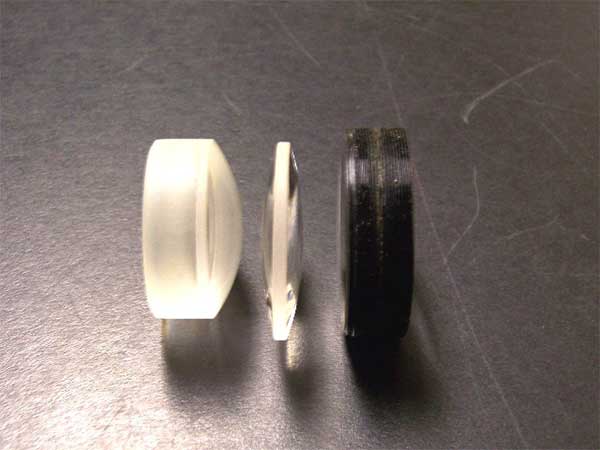
Awesome VR Optics for 1″ Class Displays At Less Than Ten Dollars!
Professional wide field of view Virtual Reality optics for less than the price of a couple of double lattes! A while back I demonstrated a design for Leep On The Cheap, a proof of concept for wide field of view optics on 3" to 4" display panels. Trouble...
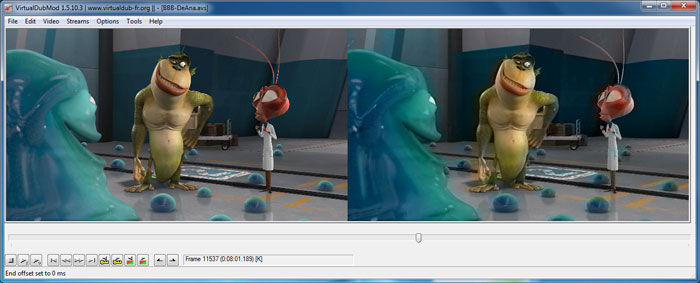
Dump Those Silly Colored 3D Glasses
They say you're not a true 3D enthusiast until you've got a shelf full of red/cyan and green/magenta anaglyph 3D glasses. I'm ready to dump mine in the waste bin, but there's this little problem; two more shelves of anaglyph DVD, BluRay and VHS movies...
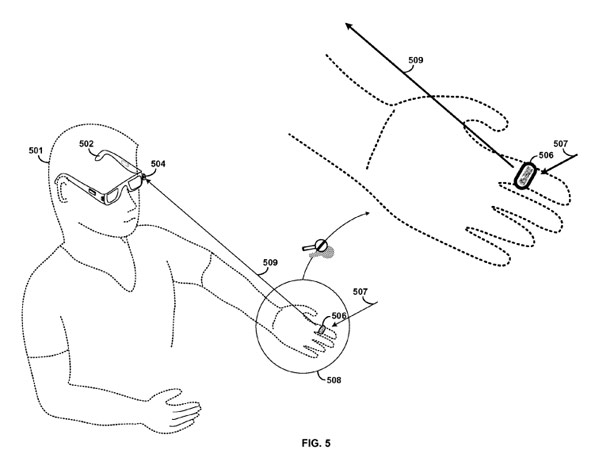
The Cart Before The Horse, Once Again – Project Glass
Google has been tearing through the bandwidth over at the Patent Office in defense of Project Glass, April's much touted announcement of Google's entry into the world of augmented reality and head mounted displays. One especially clever patent...
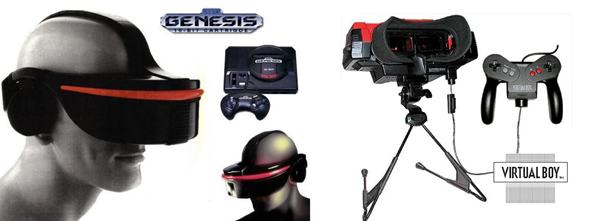
Sega VR – Mighty Barfin’ Power Rangers (we are the 40 percent)
Sega (all hail Sonic!): 1991 brought the announcement of Sega VR, a $200 headset for the Genesis console, a prototype finally shown at summer CES 1993, and consigned to the trash heap of VR in 1994, before any units shipped. Sega claimed that...

Beware the funny hair… its a tech cult giveaway
Matt Novak, in Smithsonian's Paleofuture blog, draws some interesting contrasts between Jaron Lanier's 1991 Omni Magazine interview and his current book: "You Are Not A Gadget: A Manifesto." While the Omni article portrays Lanier as "...a man...
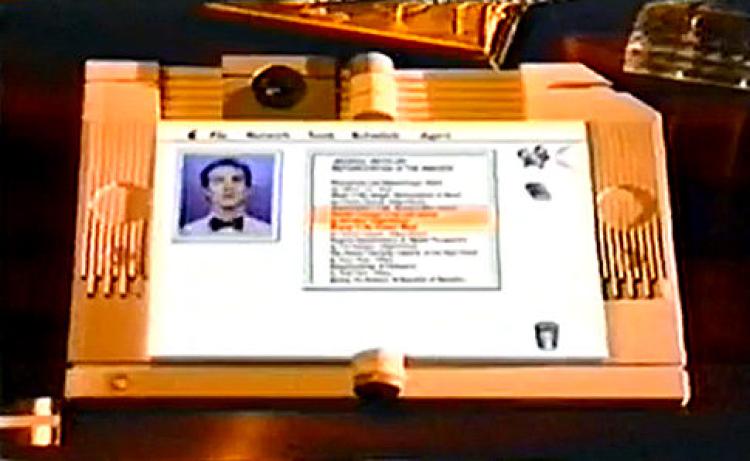
Apple Plans Ahead
24 years ago Apple ran this advertisement predicting a tablet based voice assistant. The futuristic ad takes place in September 2011. With yesterday's announcement of Siri, they missed their prediction by only one month (out of 24 years.) Wish all my...
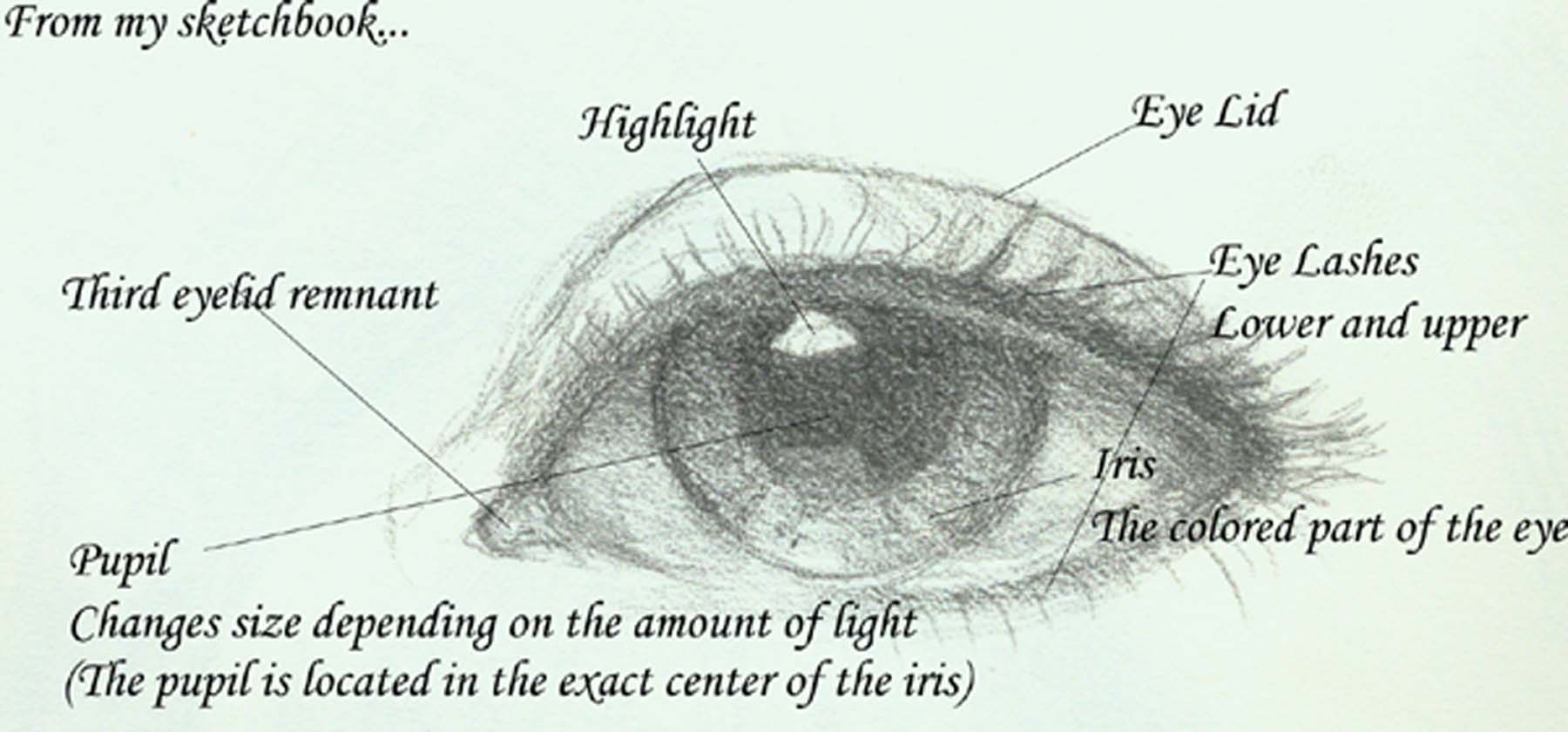
Seeing the Eye in a New Light
There's been an enormous resurgence of DIY HMDs in the VR hacker community recently, some quite impressive. Understanding how the eye works is the key to these inventions. I found a really instructive 70 year old nugget which gives HMD...
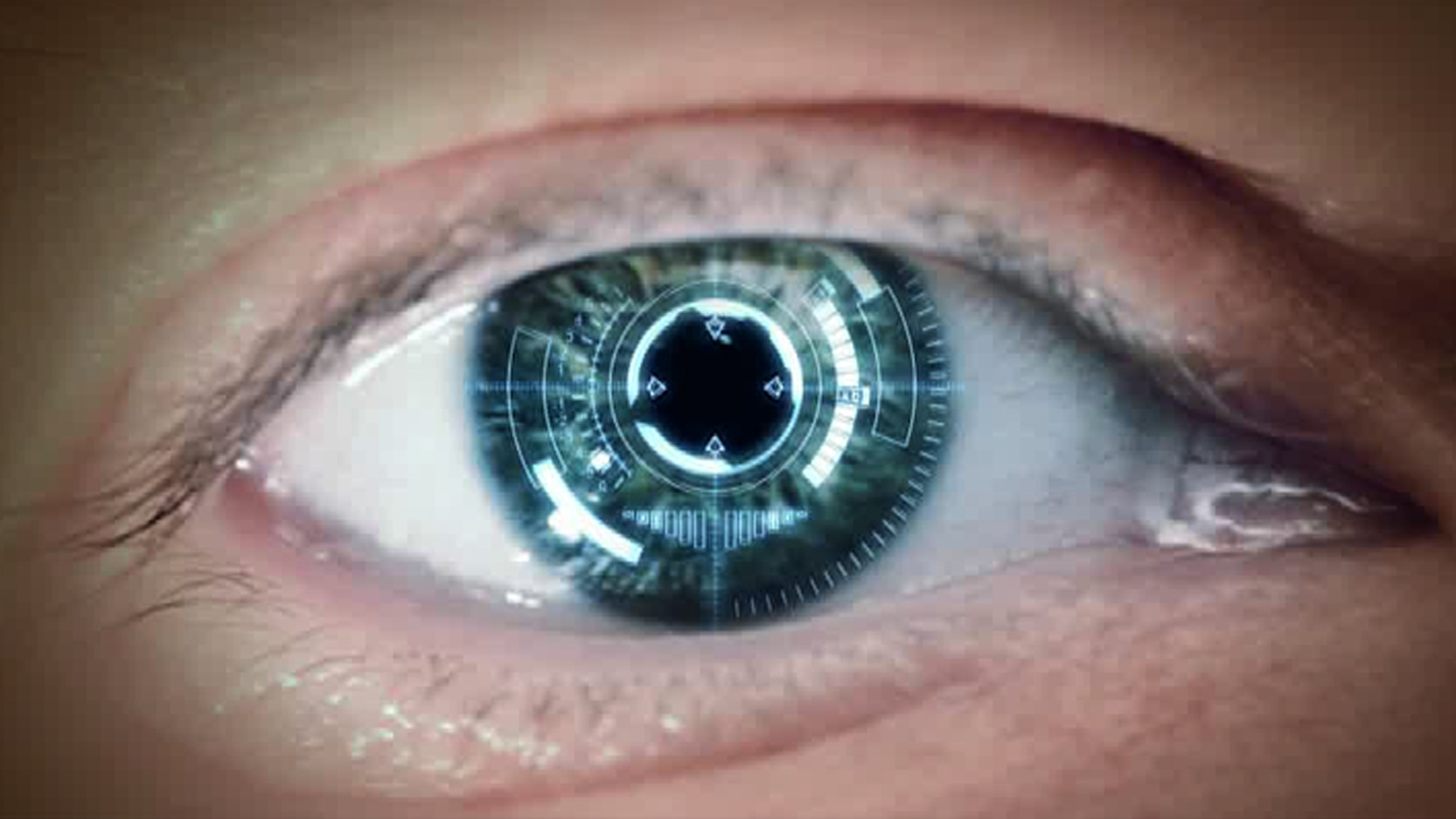
Eyeborg – Seeing farther…
Rob Spence, had his eye replaced with a video camera after a shotgun accident. He then set out to make this incredible documentary about visual and limb prostheses. The concept of direct imaging to the brain and the incorporation of augmented...
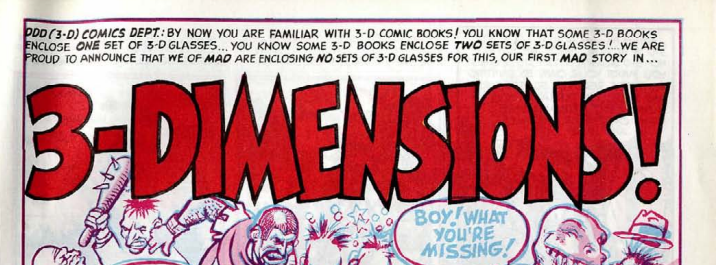
3-Dimensions… For the First Time… 3-D FEELIES!!
MAD Magazine, June 1954: DDD (3D) COMICS DEPT: By now you are familiar with 3-D Comic Books! You Know that some 3-D books enclose One set of 3-D glasses... You know some 3-D Books enclose Two sets of 3-D glasses! We are proud to announce that...

The Joydick
At the risk of overstepping any and all boundaries of propriety, here are complete do-it-yourself build instructions for an "incredible" haptic feedback interface for your Atari console. With a bit of soldering and epoxy, you can add force...

Is It VR Yet?
Harvey Newquist tires of waiting for the New York Post headline to scream: "Wife Dumps Husband For Cybersex Lover" or "Computer Casanova Seduces Virtual Valerie." Money quote: Does the average person get to see or use any of this stuff? Can you go any...