And All That Hype, VR Companies, VR Publications, Where Are They Now?
1994 marks the peak of what many view as the first “Big Bubble” in VR popularity. There were literally hundreds of (mostly) entrepreneurial startups taking a wild fling and what seemed to be a game-changing technology. You could strike sparks anywhere! By...

VR Companies, VR Publications, Where Are They Now?
Hot off the press is Ben Delaney’s authoritative new book, Sex, Drugs, and Tessellation which collects 6 years of wisdom from Ben’s CyberEdge Journal, the go-to virtual reality publication from 1991 through 1996. Ben has always been both a...
Head Mounted Displays, VR Companies, VR Now
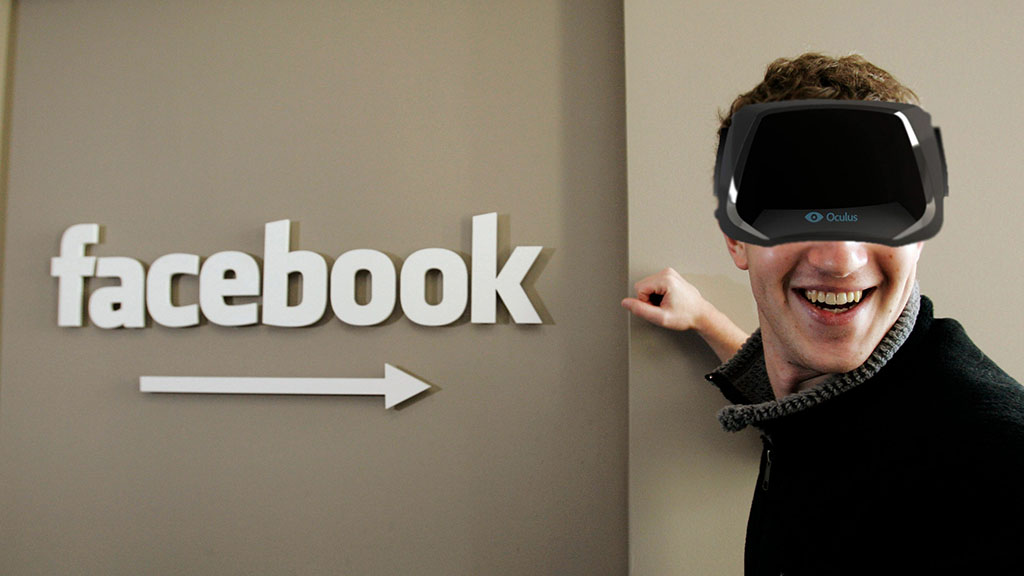
A lot of people are fuming over today’s announcement that Facebook would be buying Palmer Luckey’s Oculus. Palmer and company produced two mainstream marketed development kit head mounted displays which became darlings of the grassroots VR/Gamer community....
Around the World, Game Systems, Head Mounted Displays, How-To; Teardowns; Tutorials, VR Companies
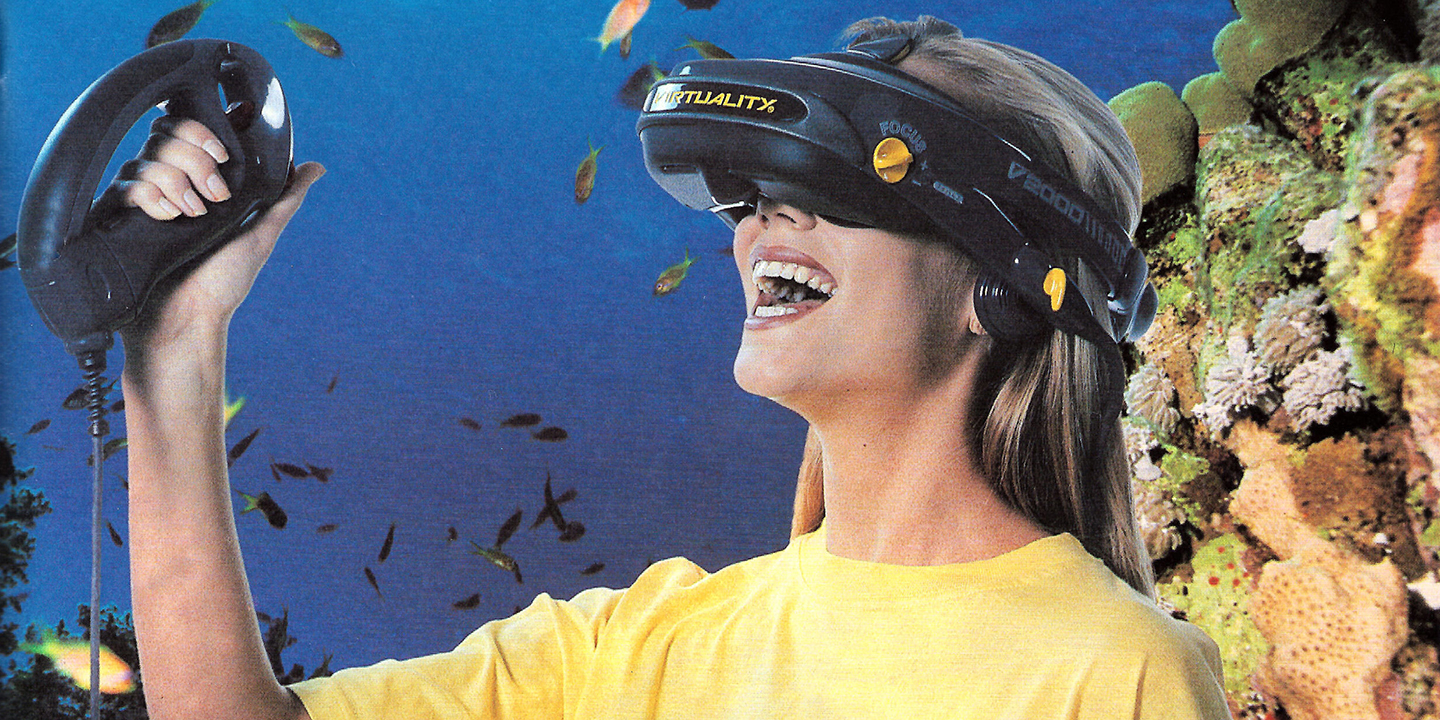
W-Industries (Virtuality) always seemed to have a PR person riding herd on any video material that was released about the company or products. Everything the public saw was tightly scripted and edited. But… here’s a 1992 video from inside the factory...
And All That Hype, Game Systems, Head Mounted Displays, In the Movies, On TV, VR Companies, Where Are They Now?
ABC Primetime covers the VR scene in Sept. 1991. Although this news report conflates computer animation footage with Virtual Reality, it also features interviews with Jon Waldern, Fred Brooks, Howard Rheingold, Mike McGreevey, and C L Dodgson (virtually, of course.)...
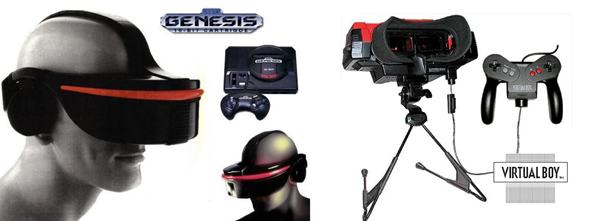
And All That Hype, Game Systems, Head Mounted Displays, Stereoscopic 3D, VR Companies, Where Are They Now?
Sega (all hail Sonic!): 1991 brought the announcement of Sega VR, a $200 headset for the Genesis console, a prototype finally shown at summer CES 1993, and consigned to the trash heap of VR in 1994, before any units shipped. Sega claimed that the helmet experience was...
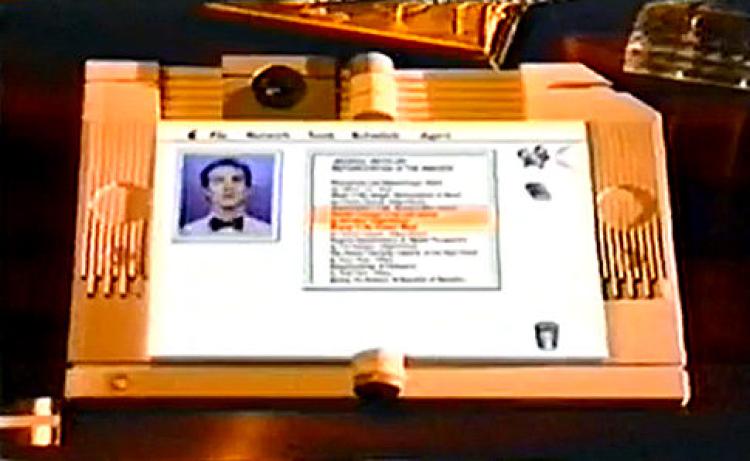
And All That Hype, On TV, VR Companies
24 years ago Apple ran this advertisement predicting a tablet based voice assistant. The futuristic ad takes place in September 2011. With yesterday’s announcement of Siri, they missed their prediction by only one month (out of 24 years.) Wish all my engineering...
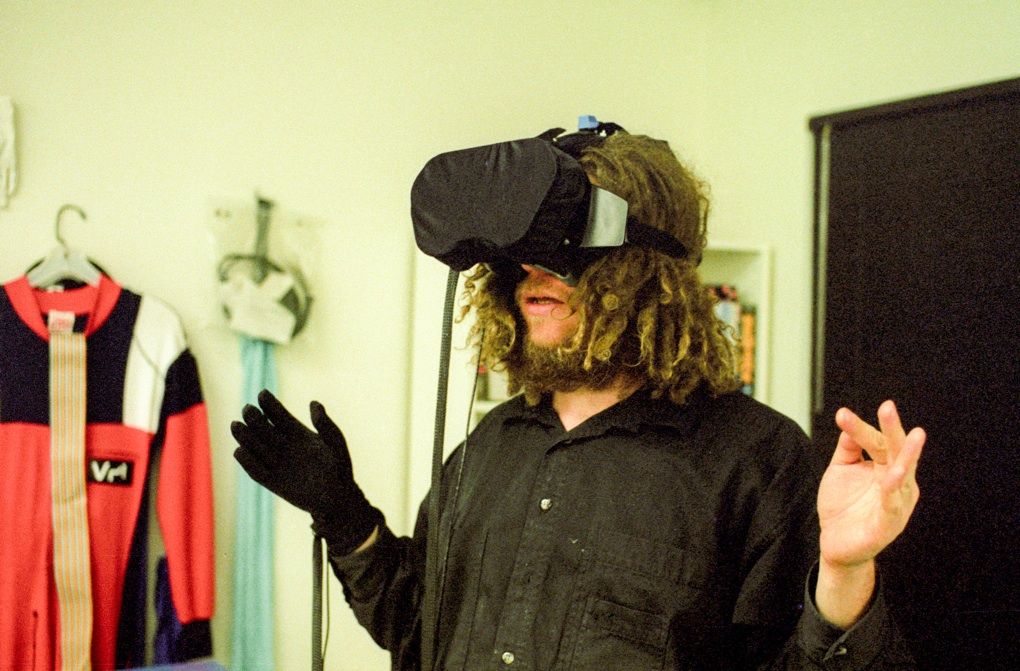
And All That Hype, Game Systems, Head Mounted Displays, VR Companies
“Inside Jaron Lanier is a precocious eight-year-old who got together with some friends and built a spaceship,” wrote Howard Rheingold in his 1991 book, Virtual Reality, the definitive history of VR to date. “Now he wants us all to take a ride in...

And All That Hype, VR Companies, VR Publications, Where Are They Now?
I wrote this for a 1991 Meckler conference presentation. Still smiling at my naivete! It’s tough trying to manage one of these businesses. Every time one of my vendors/bankers/landlord/ etc., asks what we do, and I say “Virtual Reality,” their...
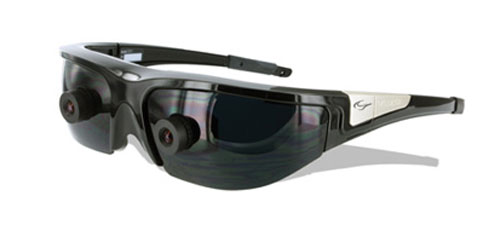
Around the World, Head Mounted Displays, Stereoscopic 3D, VR Companies
Recently I got my hands on brand new Vuzix video-see-through augmented reality HMD – Wrap 920 AR. It’s not quite a consumer product, it’s more focused on R&D in Augmented Reality field, there are small amount of information about it on the net and few people...
And All That Hype, In the Movies, On TV, Stereoscopic 3D, VR Companies
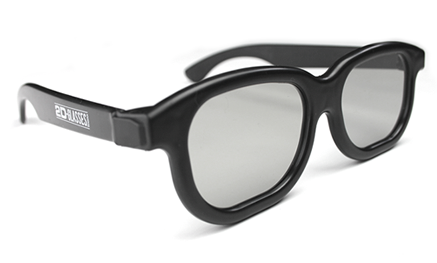
We all know that the 1950’s were the golden age of 3D movies, Hollywood’s attempt to fend off the rapidly growing television audience. Their 3D thrust was short lived, and with a few exceptions, we enjoyed almost 50 years of 2D bliss. This time around 3D...
And All That Hype, Around the World, Head Mounted Displays, VR Companies, Where Are They Now?
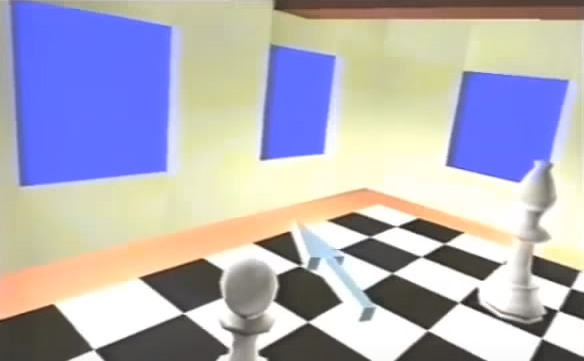
Two snippets from the old, old school of VR, circa 1991, pitching a reputable UK firm – Division (acquired by PTC in 1999.) Featured are a couple of helmets from VPL Research using LEEP optics and cloth/velcro enclosures. One HMD appears to have been modeled...
Head Mounted Displays, Stereoscopic 3D, VR Companies
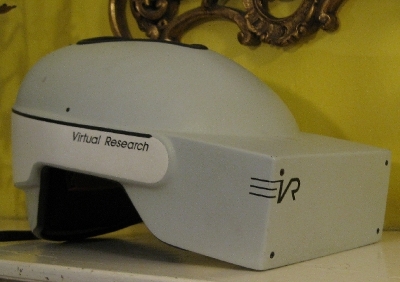
IMHO, the Virtual Research Flight Helmet was, and still is, the ultimate head mounted display, except of course, it needed modern high resolution LCD panels. Otherwise, it had incredible field of view, great ergonomics, and unbeatable LEEP optics. I came across a more...
Around the World, Game Systems, Head Mounted Displays, Stereoscopic 3D, VR Companies
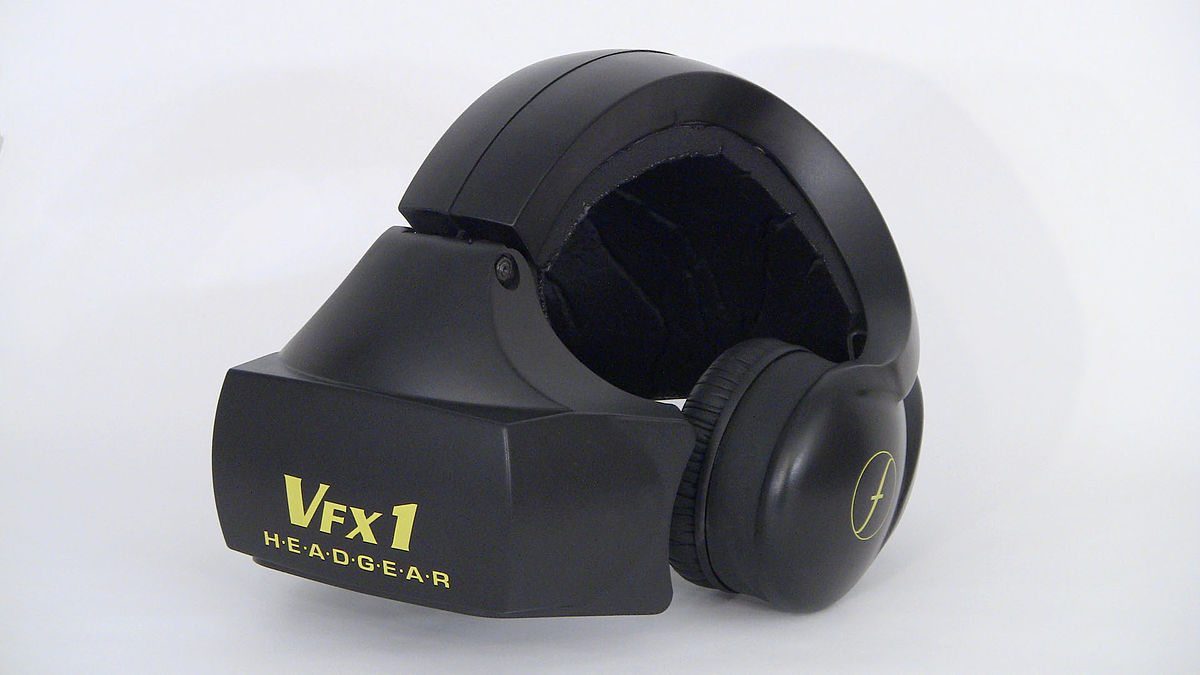
Forte VFX1 was the most advanced, complex and expensive consumer VR system that appeared on the market during VR craze in mid-nineties. Introduced in 1995, VFX1 was in the shops all around the world in 1996. [scrollGallery=id:1;] Hardware overview System consisted of:...
Head Mounted Displays, How-To; Teardowns; Tutorials, Stereoscopic 3D, VR Companies
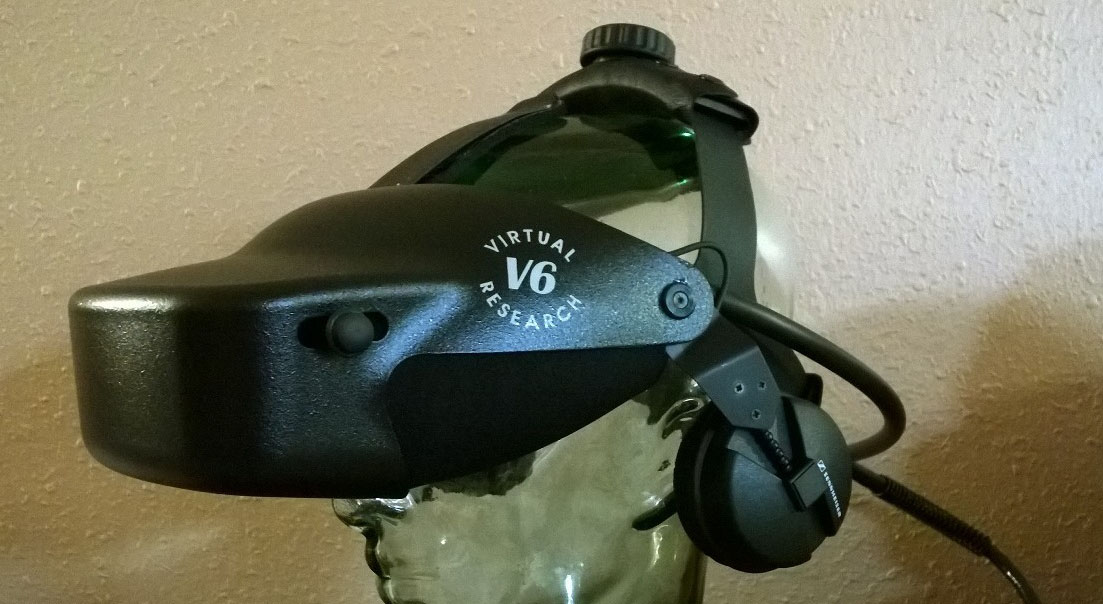
1995 brought us the V6 head mounted display from Virtual Research, the successor to the excellent design of the VR-4. The V6 doubled the overall resolution while retaining the great optics, field of view, comfort, and ease of use originally found in the VR-4. In...

