Head Mounted Displays, How-To; Teardowns; Tutorials
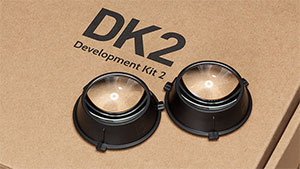
The Oculus DK2 is a remarkable VR headset, producing a remarkably wide field of view with very inexpensive single element optics. VRtifacts was curious about the characteristics of the Oculus DK2 lens: what size, what material, and what focal length? The lenses...

And All That Hype, Around the World, Head Mounted Displays
Two milkshakes make the whole issue of virtual reality motion sickness moot. There’s not much more commentary to add...
Head Mounted Displays, VR Companies, VR Now
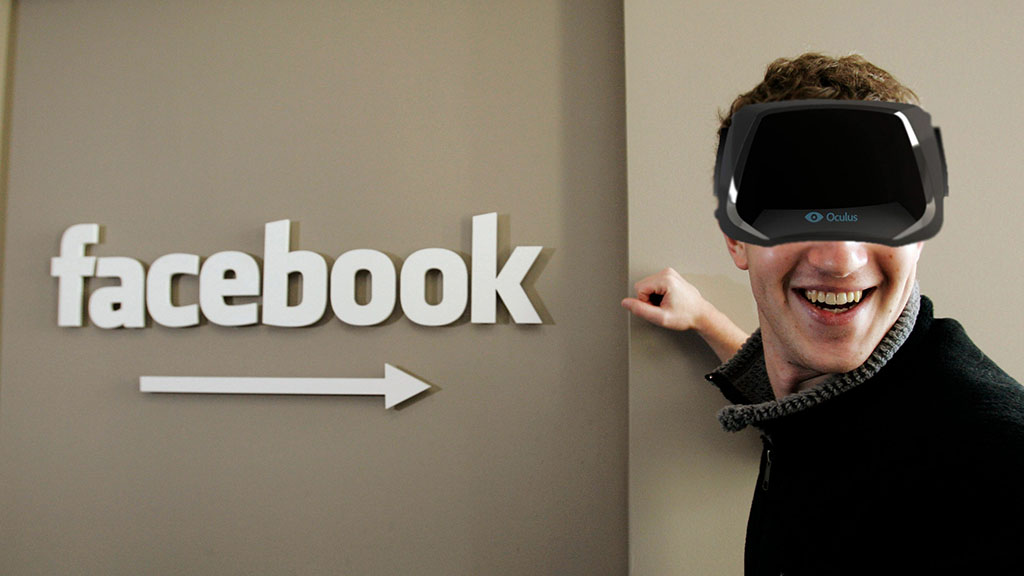
A lot of people are fuming over today’s announcement that Facebook would be buying Palmer Luckey’s Oculus. Palmer and company produced two mainstream marketed development kit head mounted displays which became darlings of the grassroots VR/Gamer community....
Around the World, Game Systems, Head Mounted Displays, How-To; Teardowns; Tutorials, VR Companies
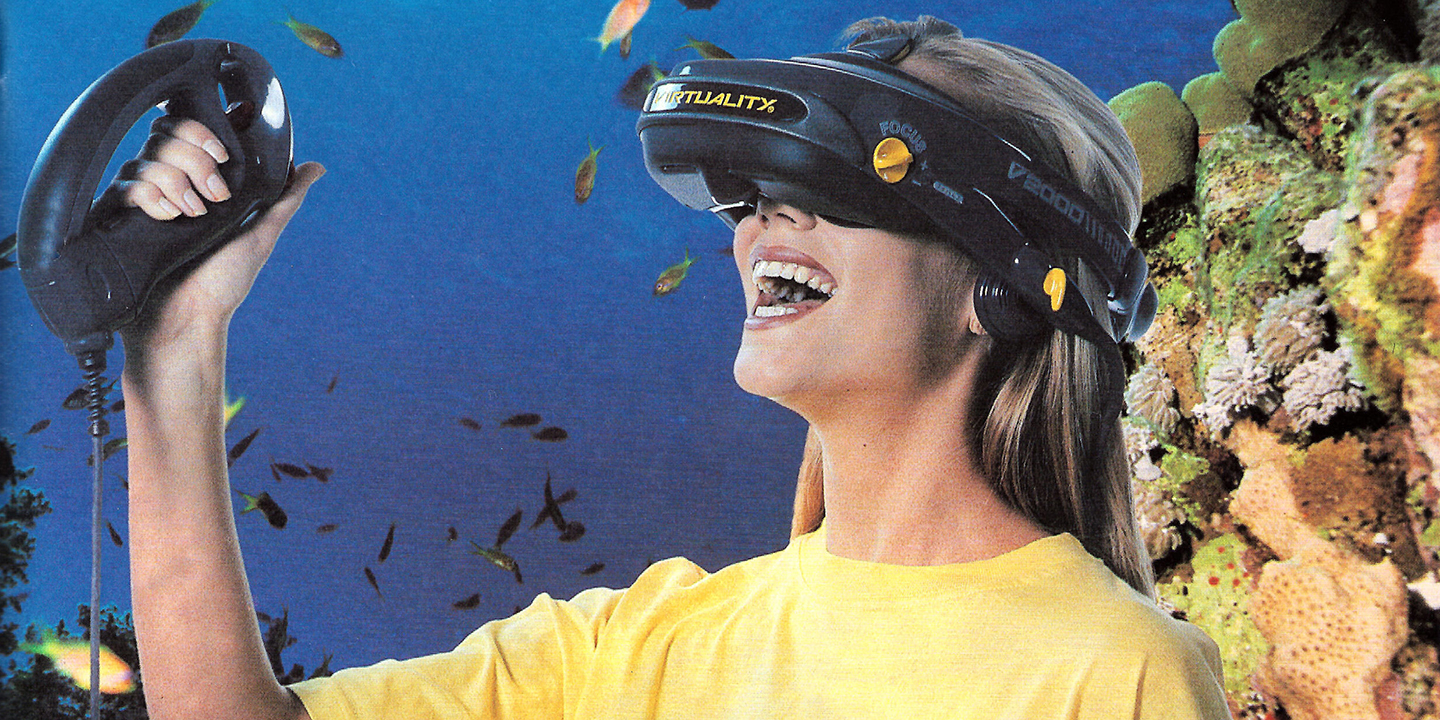
W-Industries (Virtuality) always seemed to have a PR person riding herd on any video material that was released about the company or products. Everything the public saw was tightly scripted and edited. But… here’s a 1992 video from inside the factory...
And All That Hype, Game Systems, Head Mounted Displays, In the Movies, On TV, VR Companies, Where Are They Now?
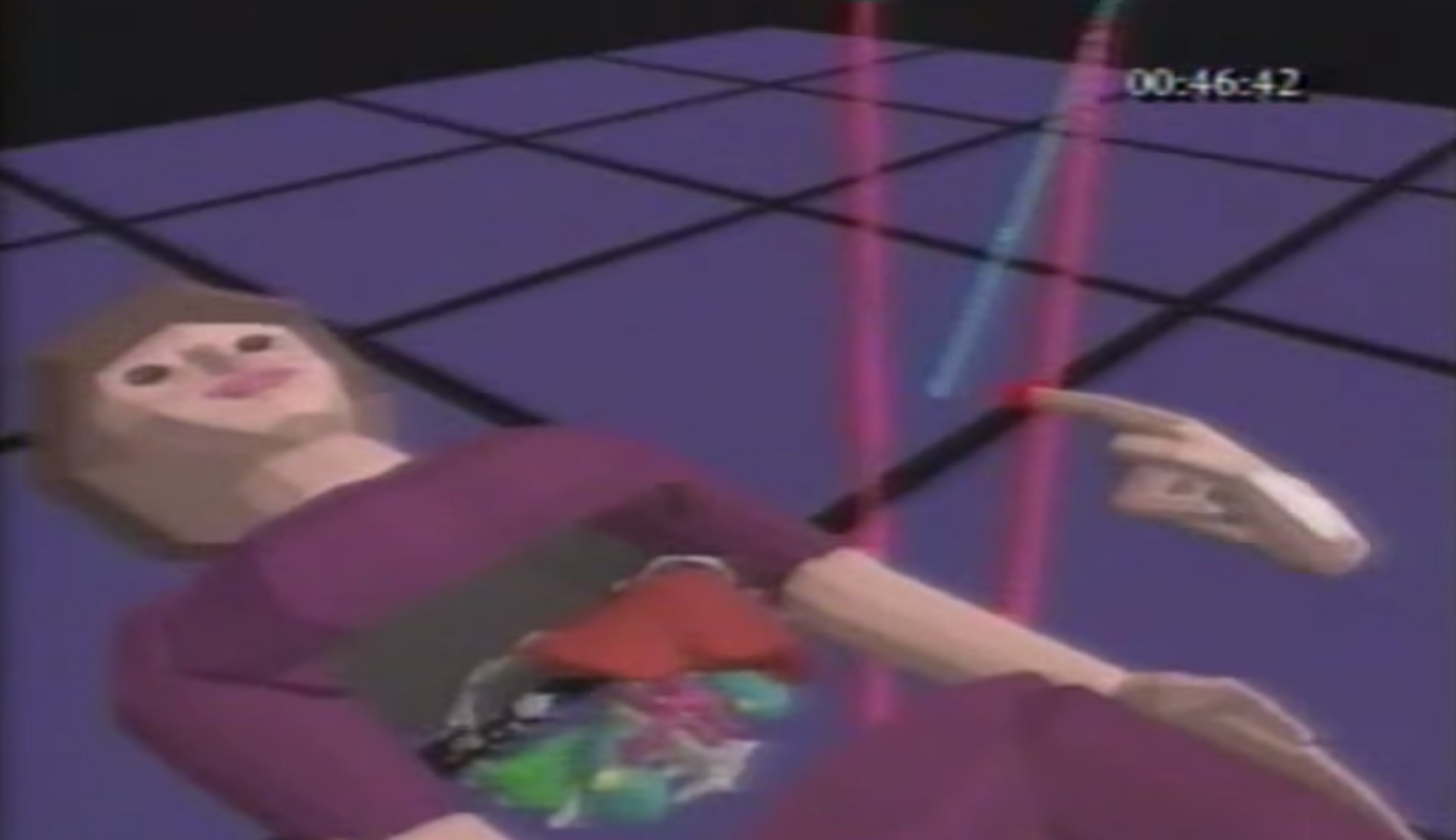
ABC Primetime covers the VR scene in Sept. 1991. Although this news report conflates computer animation footage with Virtual Reality, it also features interviews with Jon Waldern, Fred Brooks, Howard Rheingold, Mike McGreevey, and C L Dodgson (virtually, of course.)...
Head Mounted Displays, How-To; Teardowns; Tutorials
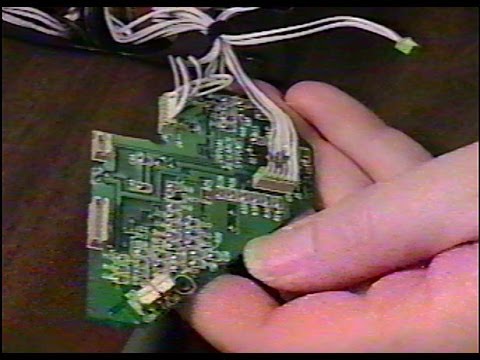
Here’s a much more detailed tear down of the Virtual Research VR-4 Head Mounted Display, done by one of the engineers at VR sometime in 1994. He shows us how to remove the back light inverter and the main PCB. ‘Scuse the vintage VHS EP mode recording. I...

Head Mounted Displays, Psychology, VR Publications
For years, therapists would attempt to treat smokers and alcoholics using real-life triggers. Let addicts see a lighter or an empty bottle, or even a photo of something smoking or drinking related, to trigger cravings, then teach them coping strategies. It was limited...
Head Mounted Displays, How-To; Teardowns; Tutorials
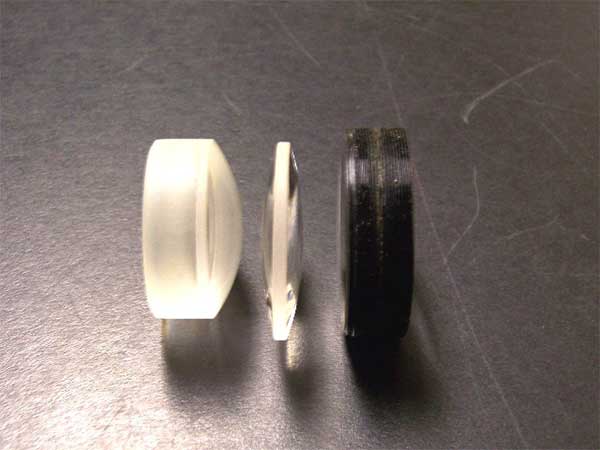
Professional wide field of view Virtual Reality optics for less than the price of a couple of double lattes! A while back I demonstrated a design for Leep On The Cheap, a proof of concept for wide field of view optics on 3″ to 4″ display panels. Trouble...
And All That Hype, Head Mounted Displays
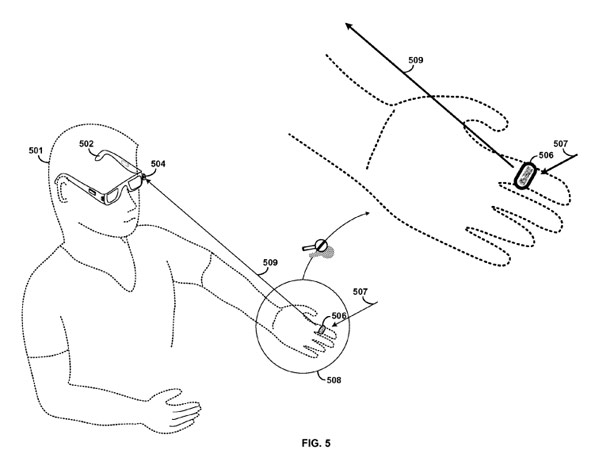
Google has been tearing through the bandwidth over at the Patent Office in defense of Project Glass, April’s much touted announcement of Google’s entry into the world of augmented reality and head mounted displays. One especially clever patent covers their...
And All That Hype, Game Systems, Head Mounted Displays, Stereoscopic 3D, VR Companies, Where Are They Now?
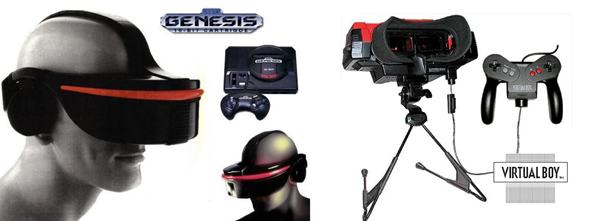
Sega (all hail Sonic!): 1991 brought the announcement of Sega VR, a $200 headset for the Genesis console, a prototype finally shown at summer CES 1993, and consigned to the trash heap of VR in 1994, before any units shipped. Sega claimed that the helmet experience was...
Head Mounted Displays, How-To; Teardowns; Tutorials
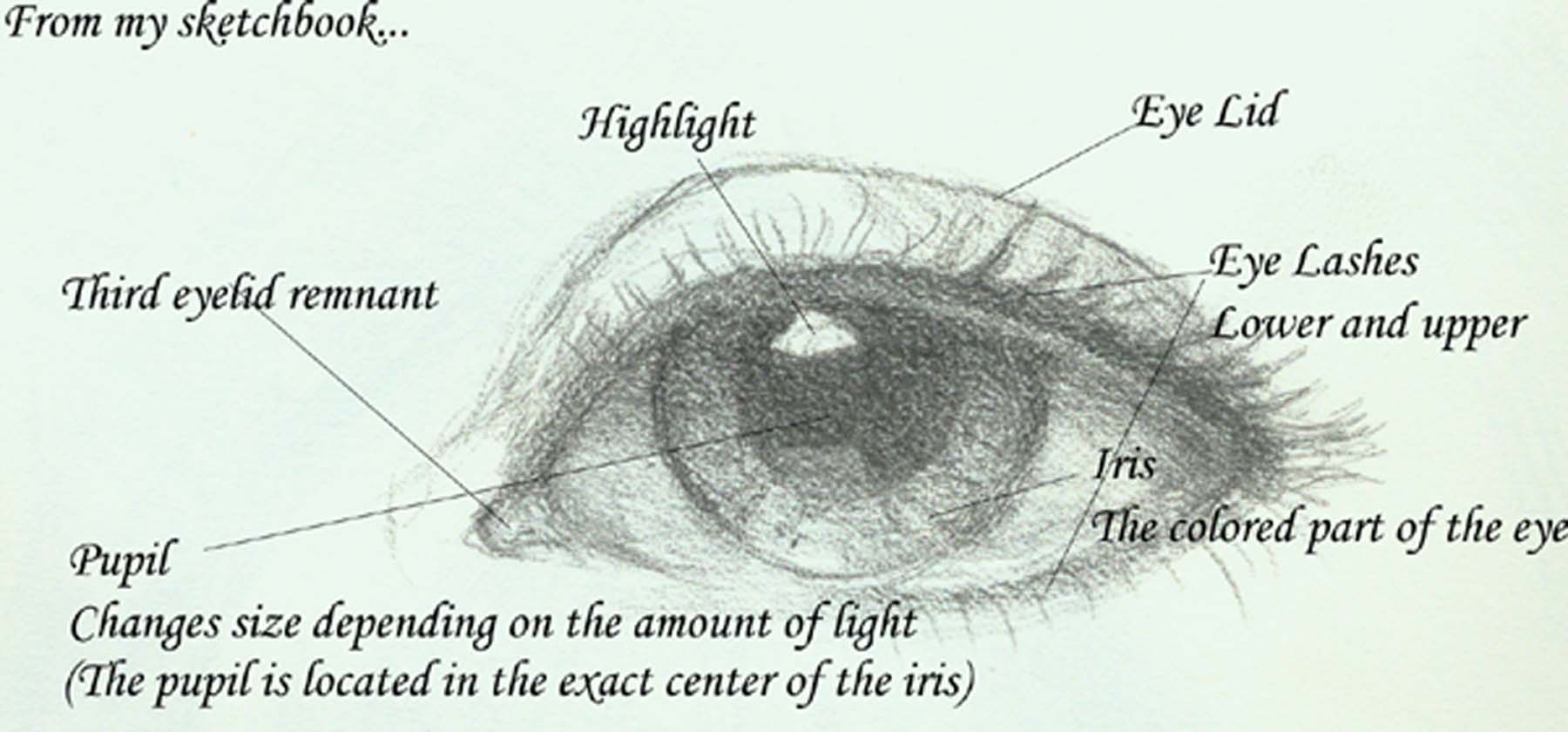
There’s been an enormous resurgence of DIY HMDs in the VR hacker community recently, some quite impressive. Understanding how the eye works is the key to these inventions. I found a really instructive 70 year old nugget which gives HMD designers the real...
Around the World, Head Mounted Displays
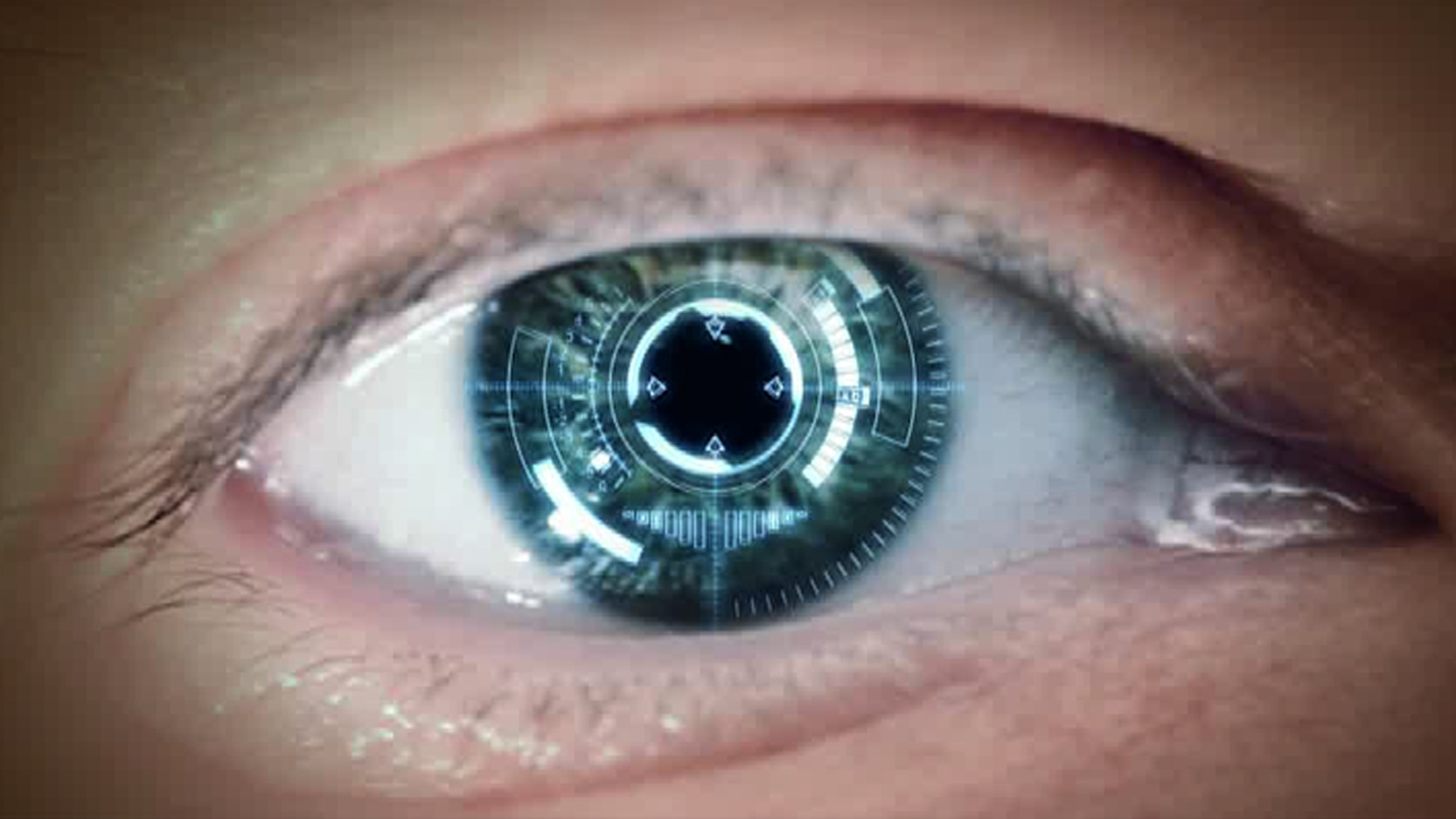
Rob Spence, had his eye replaced with a video camera after a shotgun accident. He then set out to make this incredible documentary about visual and limb prostheses. The concept of direct imaging to the brain and the incorporation of augmented reality has been much...
Head Mounted Displays, How-To; Teardowns; Tutorials
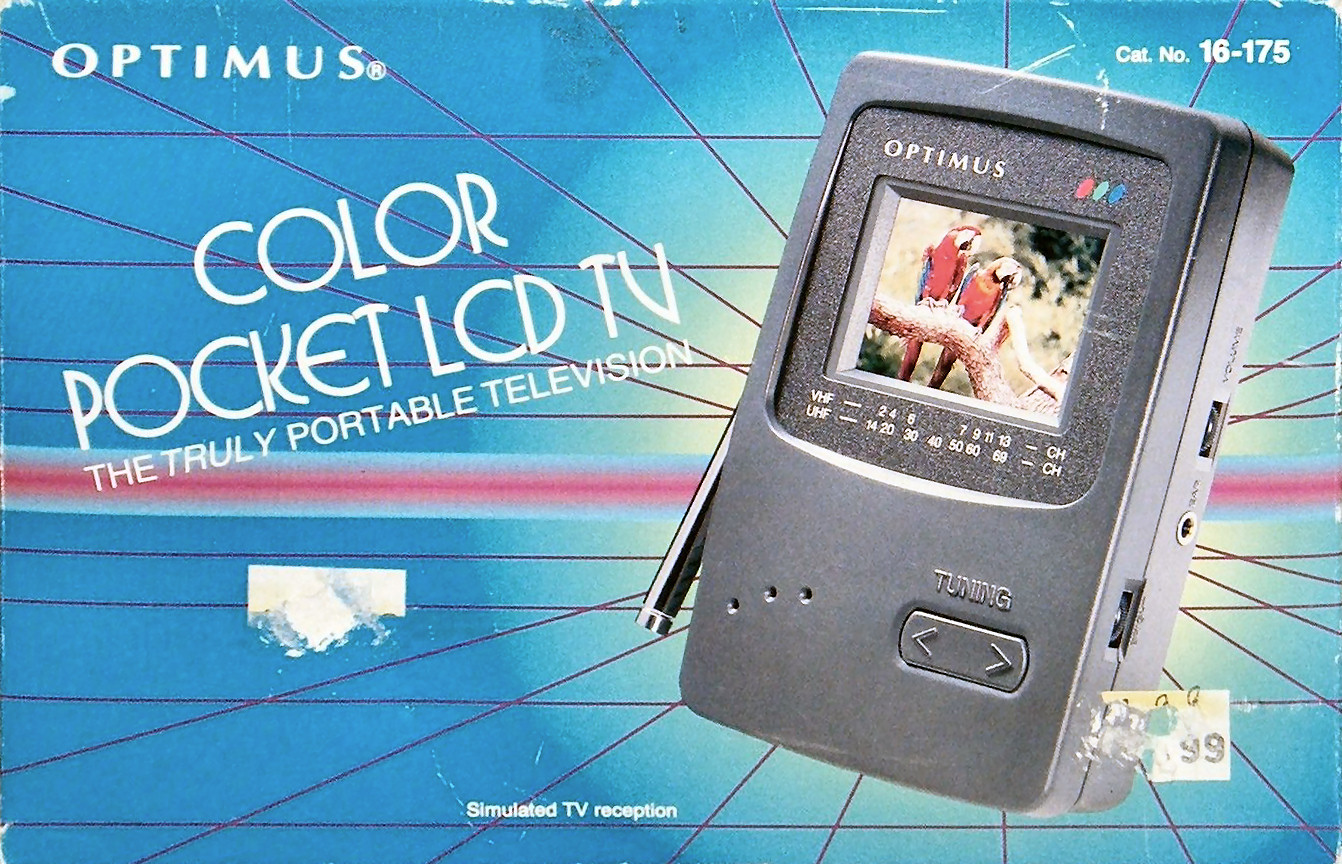
From 1993: “Now you can go to Radio Shack, buy what you need, and build it yourself.” Robert Suding and the Virtual Reality Special Report provide specific instructions for building a stereoscopic HMD for $435. Interestingly the optics and prisms are quite...
And All That Hype, Game Systems, Head Mounted Displays, VR Companies
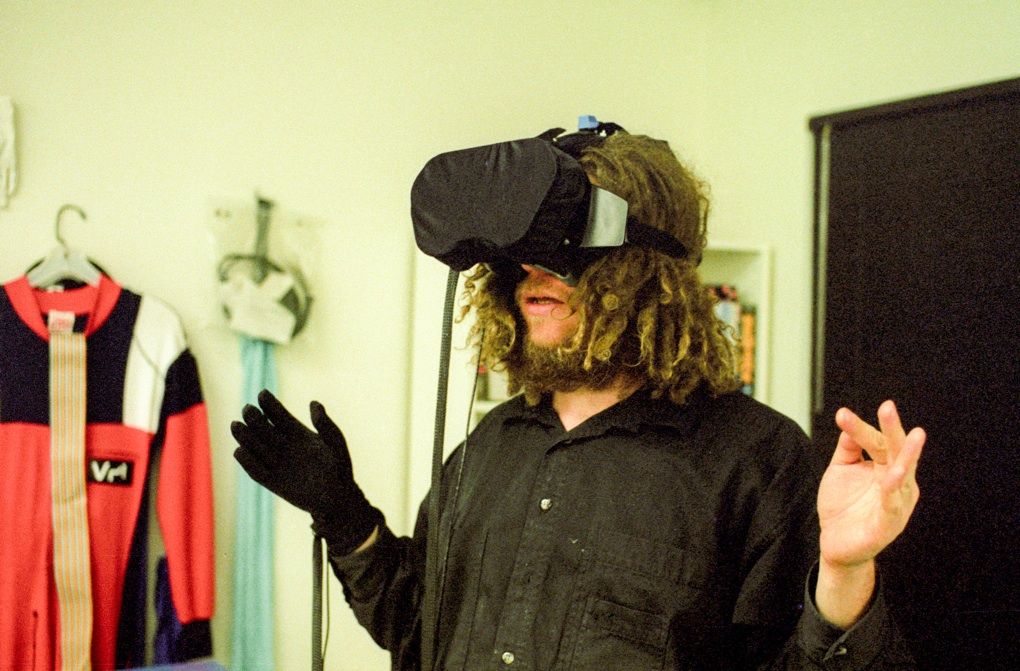
“Inside Jaron Lanier is a precocious eight-year-old who got together with some friends and built a spaceship,” wrote Howard Rheingold in his 1991 book, Virtual Reality, the definitive history of VR to date. “Now he wants us all to take a ride in...
And All That Hype, Head Mounted Displays, In the Movies
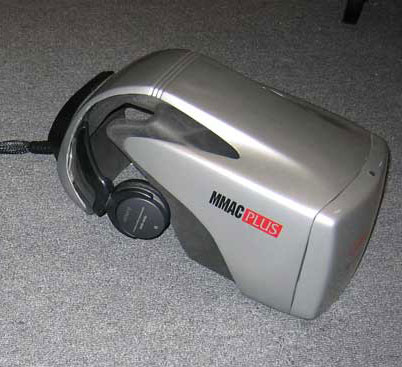
From the 1995 made for TV B movie Evolver, check out their head mounted display of...

